An optometrist whose primary focus is the health of your eyes and the functioning of your vision, rather than selling you a new pair of glasses.
ABOUT ME
MY PHILOSOPHY
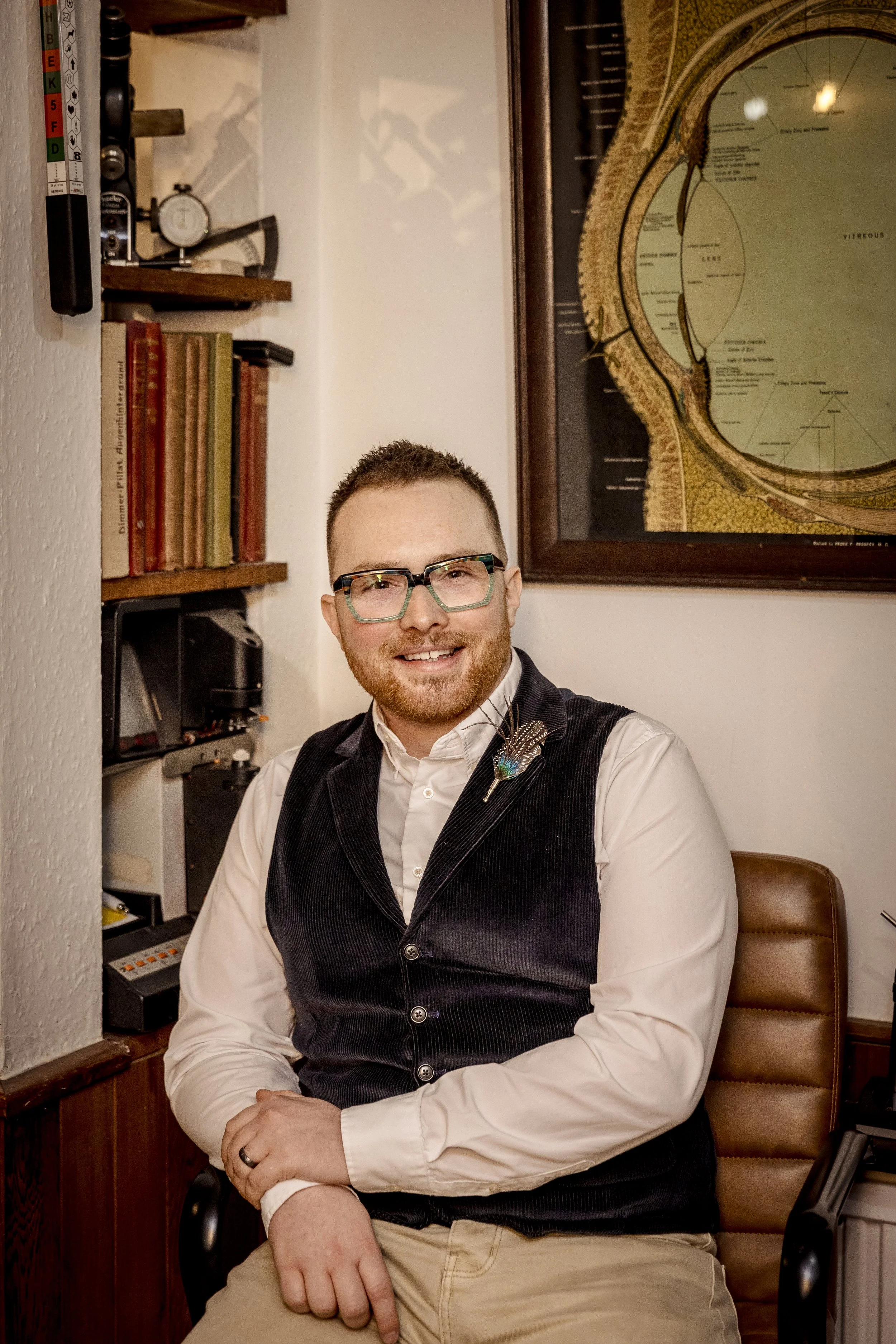
Why a Consulting Neuro-Optometrist?
In eyecare, it is all too common for patients to feel rushed through their consultation and be quickly given their diagnosis before being sent on their way. It can often feel like communication is lacking or the opportunity to ask questions, particularly after the consultation has finished.
As a Consulting Neuro-Optometrist, my ethos is to carry out a thorough clinical assessment and take the time to discuss my findings with you. I will issue a prescription with my recommendations at the end and you are free to acquire any spectacles or contact lenses from wherever you please. If you think of something later that you wish you’d asked, or wanted something explaining again, simply get in touch and we can discuss it further. You are consulting with me for my clinical opinion.
Neuro-Optometrists were first described in the United States in the 1970’s as being optometrists (historically ‘opticians’) who specialise in the entire sense of vision, considering both how the eyes work and how the information they generate is processed in the brain.
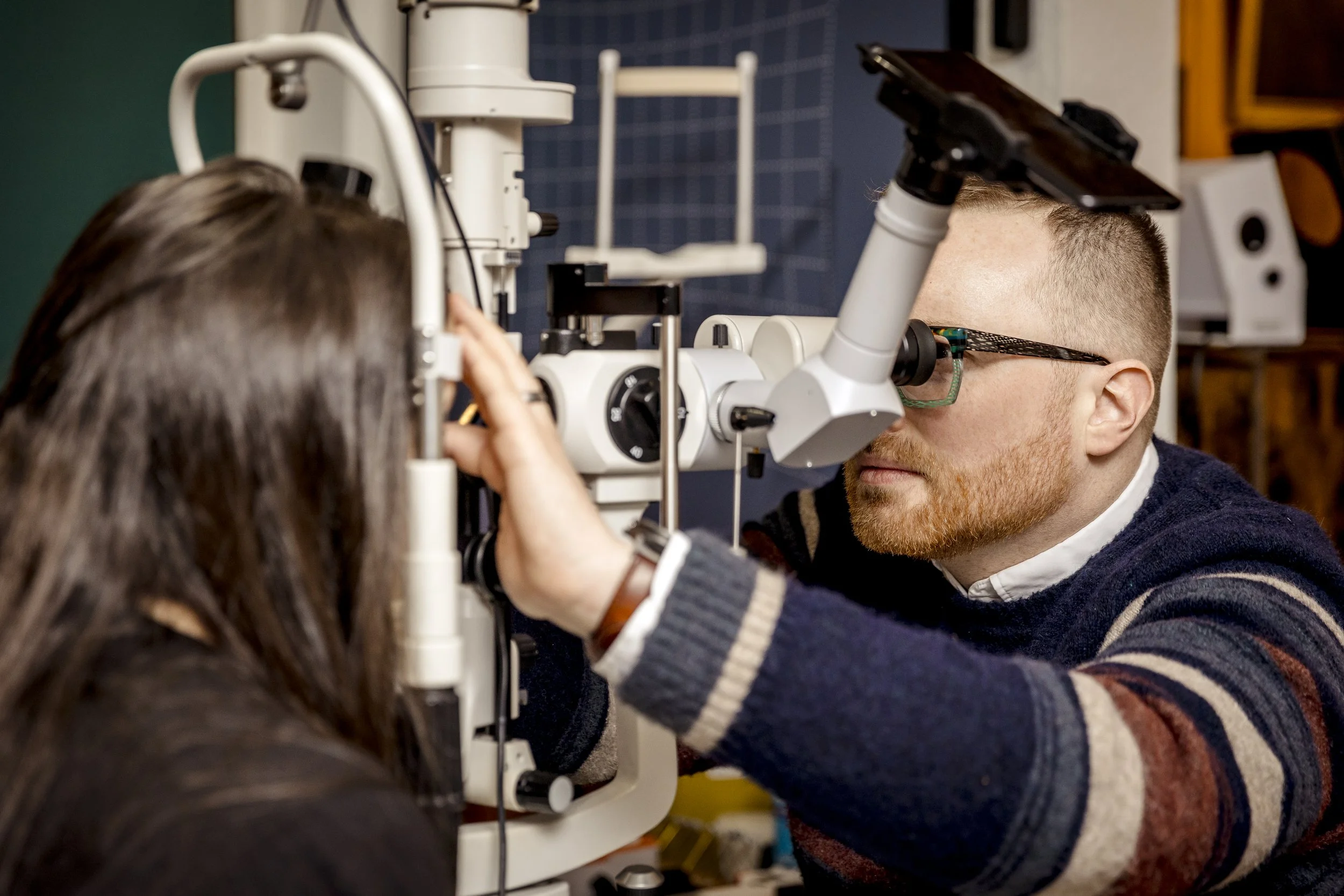
Caring for vision and eye health, not selling glasses.
Unfortunately, in the eyes of many patients, optometrists have gained the reputation of ‘shop-ticians’; where the examination is secondary to the purchasing of spectacles. I have worked in such environments, where bonuses were given based on sales; for getting more customers who visited the store to buy glasses following a sight test. As a clinician and not a salesperson I knew this wasn’t for me - I prefer to think in terms of patients visiting the practice for eye examinations and consultations.
My practice doesn’t have a big showroom of glasses because I don’t want my patients to feel that the advice I give them could in any way be motivated by a need to sell. This may seem unusual because we are all so used to choosing new spectacles the moment we leave the consulting room, but the UK is actually unusual in this way; in most countries the eye examination and dispensing of spectacles are managed separately.
An holistic approach.
Patients are not just a pair of eyeballs. The eyes (and visual system) are part of a whole person, and once the visual information reaches the brain it must be combined with a multitude of other sensory information. This means that in many cases, it is not just a case of working with the visual system, but with the person as a whole. I have undertaken a range of training in other disciplines (from primitive reflex integration through to auditory processing) to gain a deeper understanding of how these approaches can be combined to get to the root cause and effect meaningful change. Crucial to this is mental wellbeing, and I work closely with an accredited therapist with a specialism in trauma to co-manage a number of my patients; we have even seen a patient registered as legally blind following a brain injury regain functional vision!
WHAT TO EXPECT FROM AN APPOINTMENT
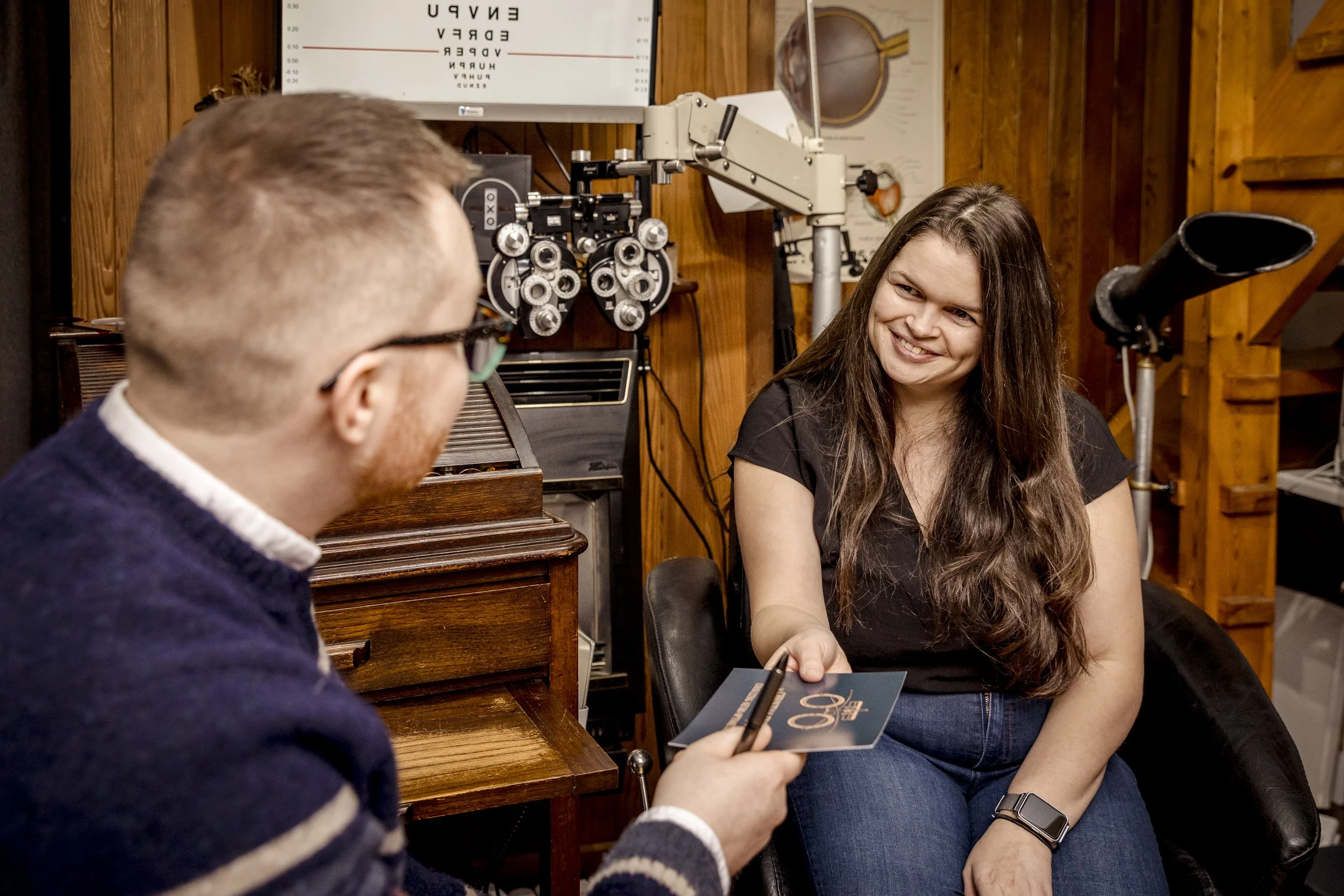
When coming to the practice, you aren’t seen as a customer; you are a patient. You aren’t coming for a sight test; you are attending for an eye examination. These may sound like small differences, but it is an important shift in mindset. You are consulting with me for my clinical opinion following a thorough and in-depth assessment of your visual functioning and eye health.
I carry out all the clinical tests myself, from the examination itself through to the additional tests such as retinal imaging and peripheral vision testing. All of the data is important, and I take pride in conducting all of the tests myself. I also charge flat rates for my consultations; there are no ‘top ups’ for more detailed images or different retinal scans. You are seeking my clinical opinion and I will conduct all the tests necessary to provide that, not based on which tests you chose to have.
All of the instruments that I use have been carefully selected to help provide detailed and accurate records of your eye health and visual functioning. Doing so allows for close monitoring of your eyes and vision over time which can be the first crucial step in detecting subtle changes which can be the earliest sign of a wide range of eye and general health conditions.
When I issue a prescription, this can be taken to any optician or optometrist who dispenses spectacles. This way my advice remains 100% in your clinical interests.
MY BACKGROUND & EXPERTISE
Childhood experiences first introduced me to optometry.
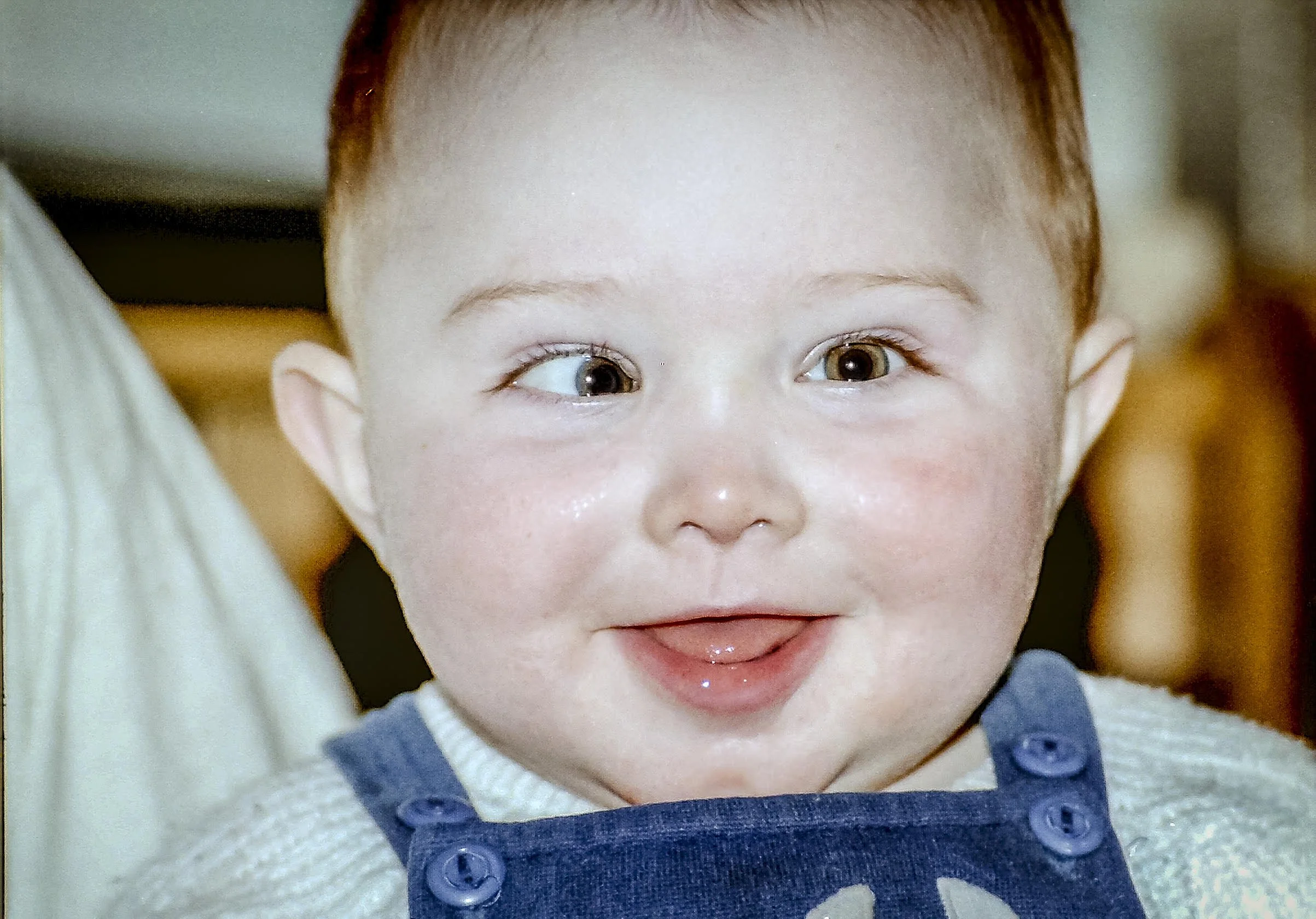
As a small child I required squint surgery, wearing a patch and latterly, spectacles. As well as significantly improving my eyesight, these early experiences ignited a real passion and interest in optometry. It also developed a huge level of empathy for my patients experiencing visual challenges. I have experienced first-hand the frustrations with not having ‘normal’ vision, but I have also been hugely fortunate to see that visual development is not black-and-white. It is not ‘set in stone’ at the age of 7 or 8, and it is possible to effect change in vision in later life.
Work background has sharpened my focus on clinical excellence.
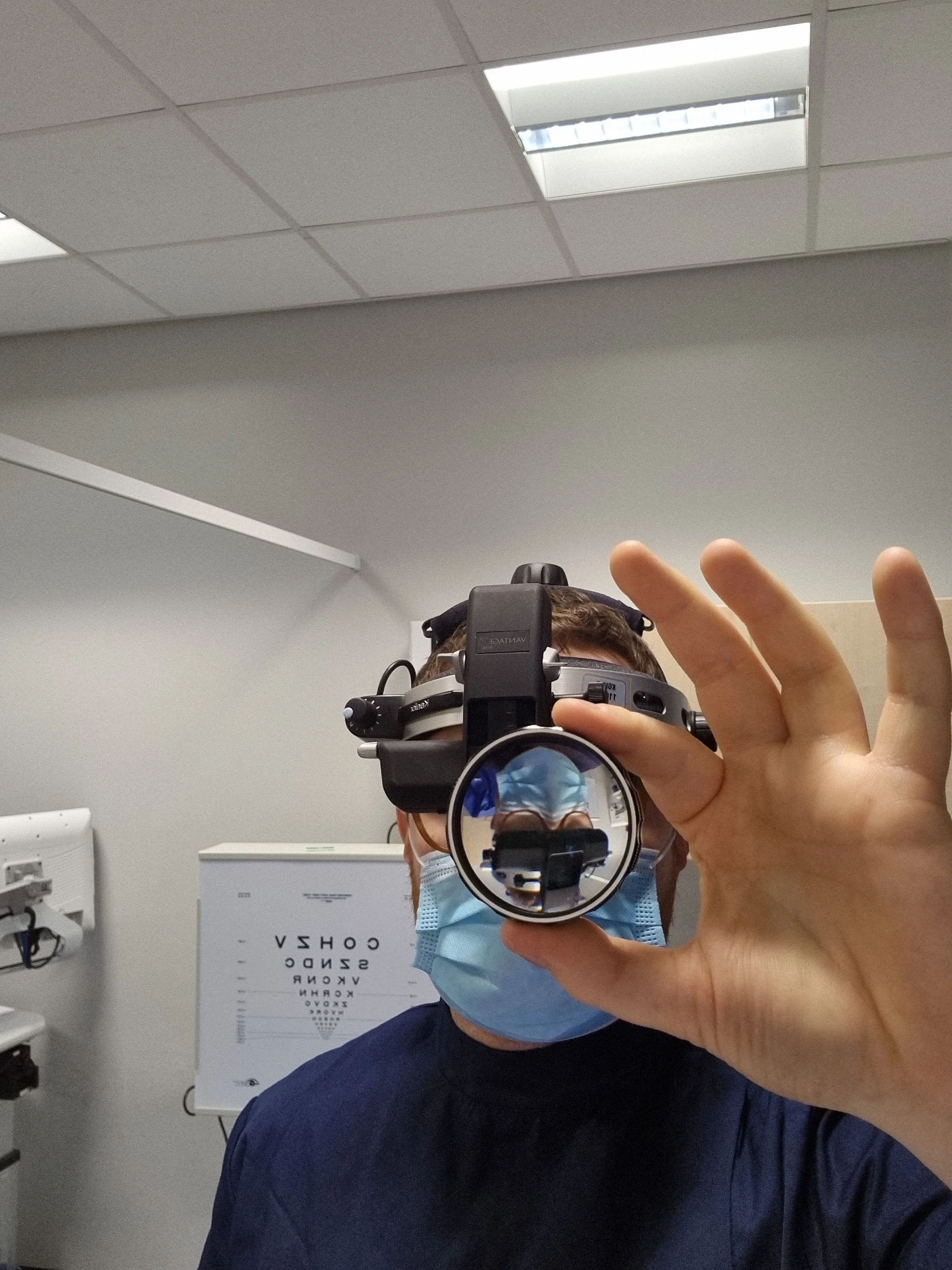
I have been extremely fortunate and been able to work in a wide variety of clinical settings within optometry. From primary care (high street) optometry in both a large national high-street corporation and small family-run independent practices through to an NHS hospital ophthalmology department; all of these jobs have helped to hone my clinical skills and also identify what I feel makes for comprehensive, empathetic and high-quality eyecare.
My time in high street optometry has taught me what patients experience when they attend for an eye examination and importantly why they may feel they way they do following a seemingly rushed consultation and an immediate dispense of new spectacles which they did not always understand why they needed them.
Working alongside eye specialists in the hospital in a both a paediatric eye department and eye casualty has given me a huge wealth of understanding of how these clinics work, how NHS services manage children with visual development issues (such as squints and lazy eyes) and importantly, how to work with children of all ages and developmental backgrounds.
My passion for optometry has driven my professional engagement.
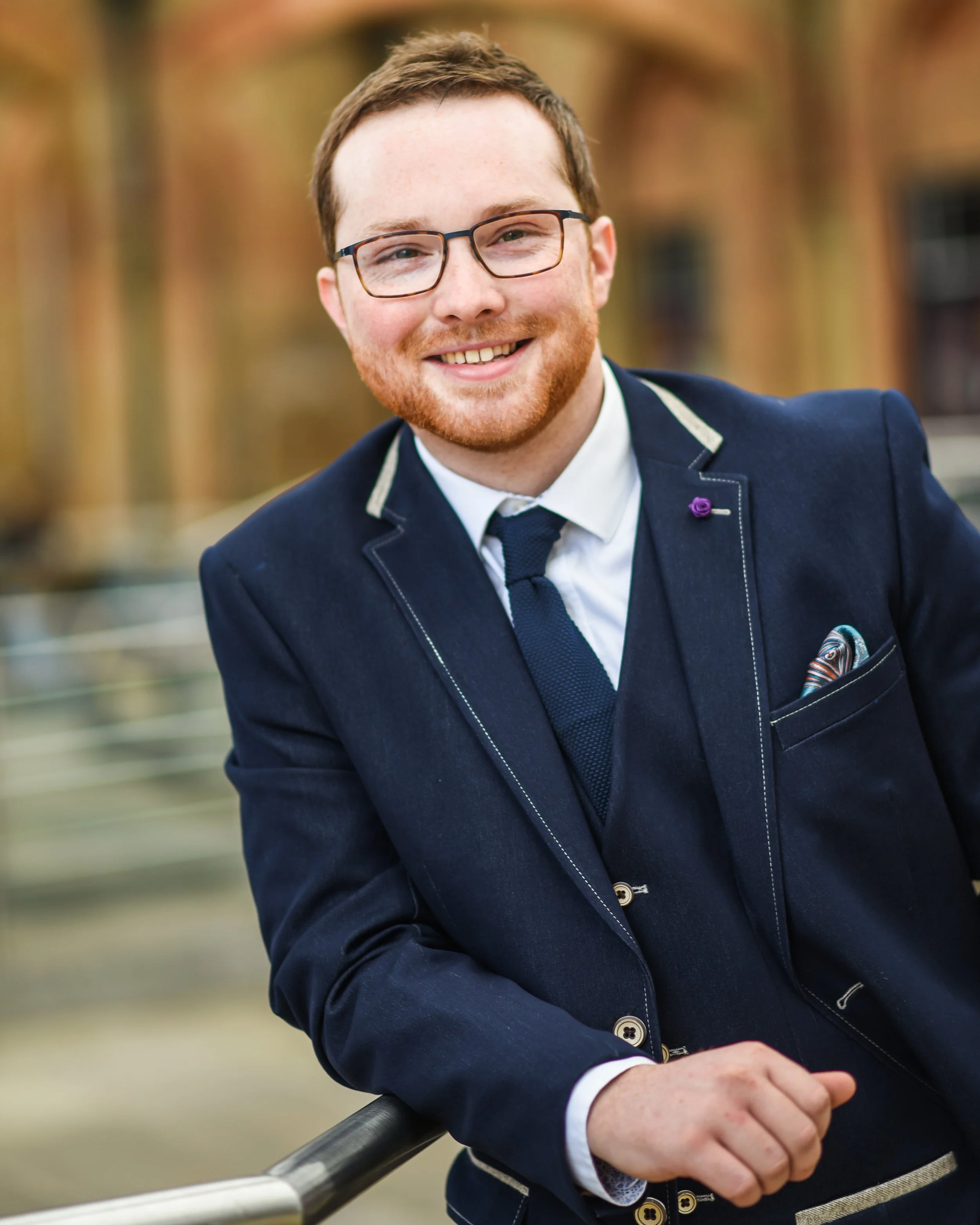
My passion for optometry has also driven me to become involved in the wider profession. From 2017 to 2023 I served as the Chairman for the Association for Independent Optometrists and Dispensing Opticians (AIO); the UK-wide representative body for independently owned practices. This involved me representing the sector at high levels within the profession, interacting with other bodies such as the General Optical Council as well as promoting the profession to government. It was a particularly involved role as I saw the Association and its members through the Covid-19 pandemic and the added strains and pressures that it placed upon practices.
Whilst I have now stepped back from this role to focus on my other endeavours, I remain involved with the organisation as well as serving on other committees including the British Association of Behavioural Optometrists (BABO) and the Ophthalmic Antiques International Collectors Club (OAICC).
Vision therapy, neuro-optometry and brain injury.
My own experiences with a disrupted visual system, wanting to take the time to understand people’s visual concerns, added to the satisfaction of improving somebody’s visual world, has brought me to the field of vision therapy and neuro-optometry.
Despite well-structured rehabilitative services in all other disciplines, the field of visual rehabilitation and vision therapy is hugely under-served in the UK. There is no standardised support mechanism within the NHS and many patients often stumble across neuro-optometry and vision therapy as a result of their own research.
I am a fully-accredited member of the British Association of Behavioural Optometrists, as well as being a member of the Neuro-Optometric Rehabilitation Association (NORA), Visual Snow Initiative and Optometric Vision Development and Rehabilitation Association (OVDRA), all of which are based in the United States where this field is much more established and recognised. Indeed much of my training in this field has been from international courses.
I have also undertaken a number of courses beyond the scope of ‘traditional’ optometry. These include extensive training in retained primitive reflexes with Rhythmic Movement Training International (RMTi) and auditory processing with Johansen Individualised Auditory Stimulation (JIAS). Whilst I continue to only practice optometry, I feel it is hugely important to understand how these complimentary therapies work in order to provide the most comprehensive support and guidance to my patients.
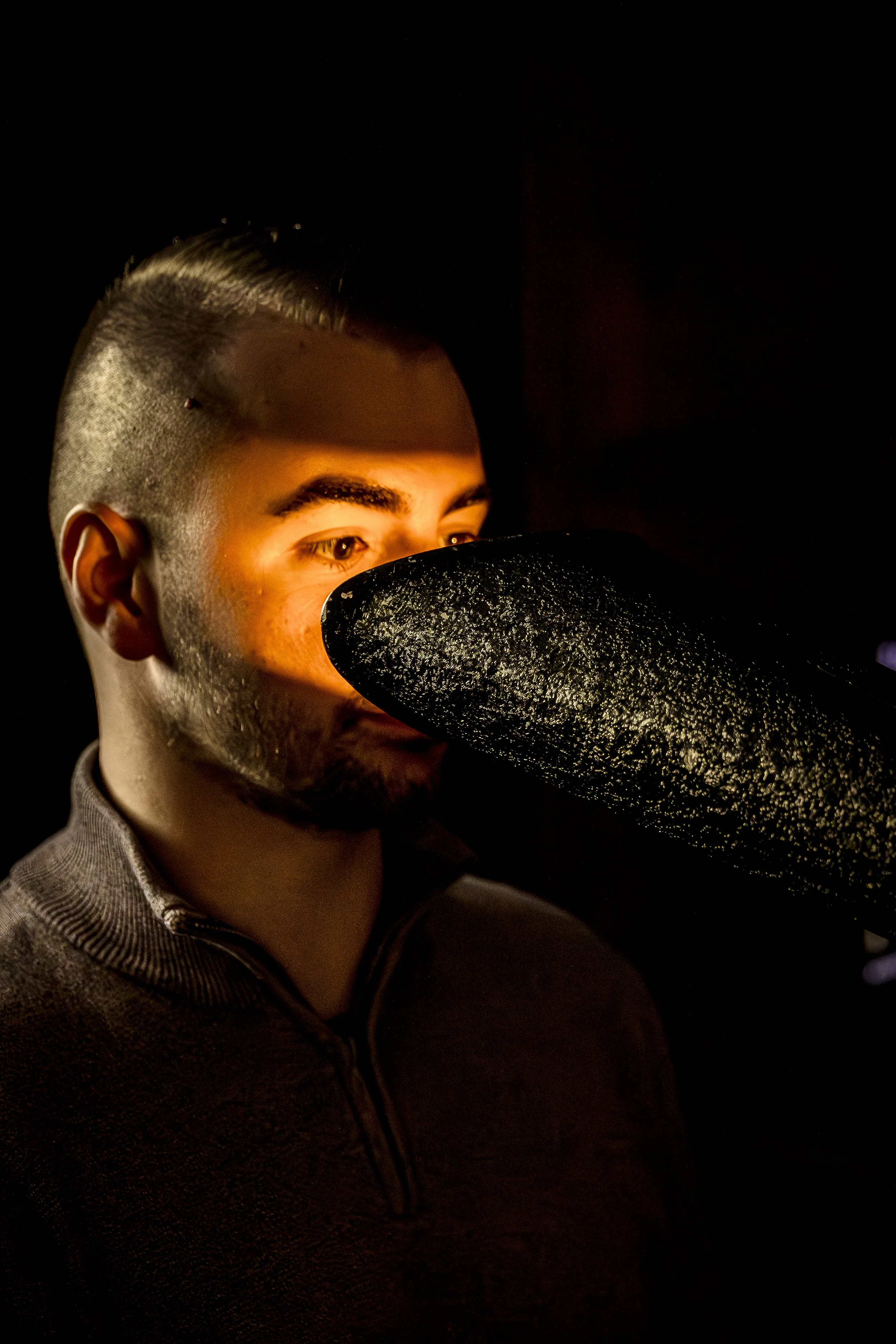
Undertaking clinically-relevant research into cardiovascular disease.
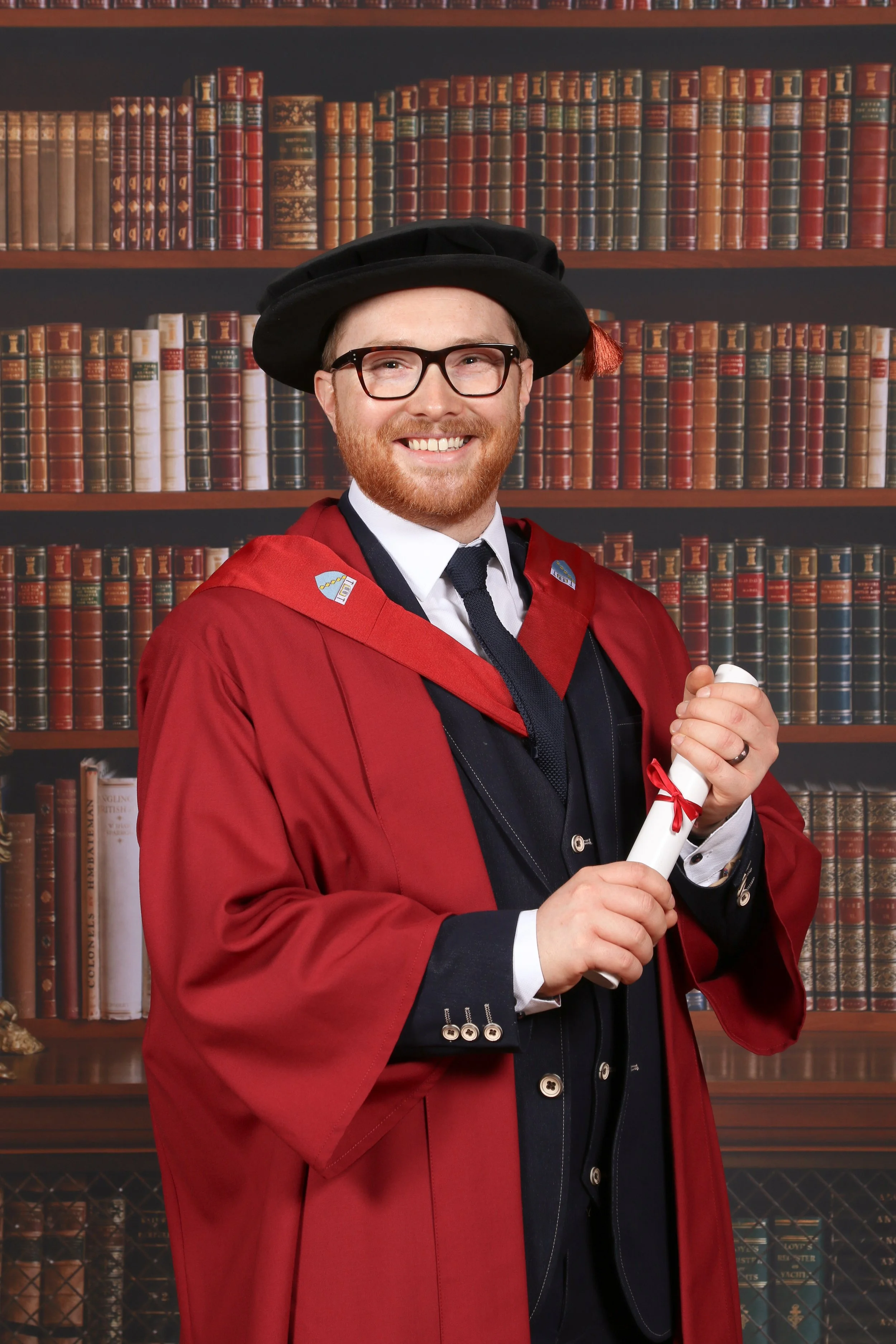
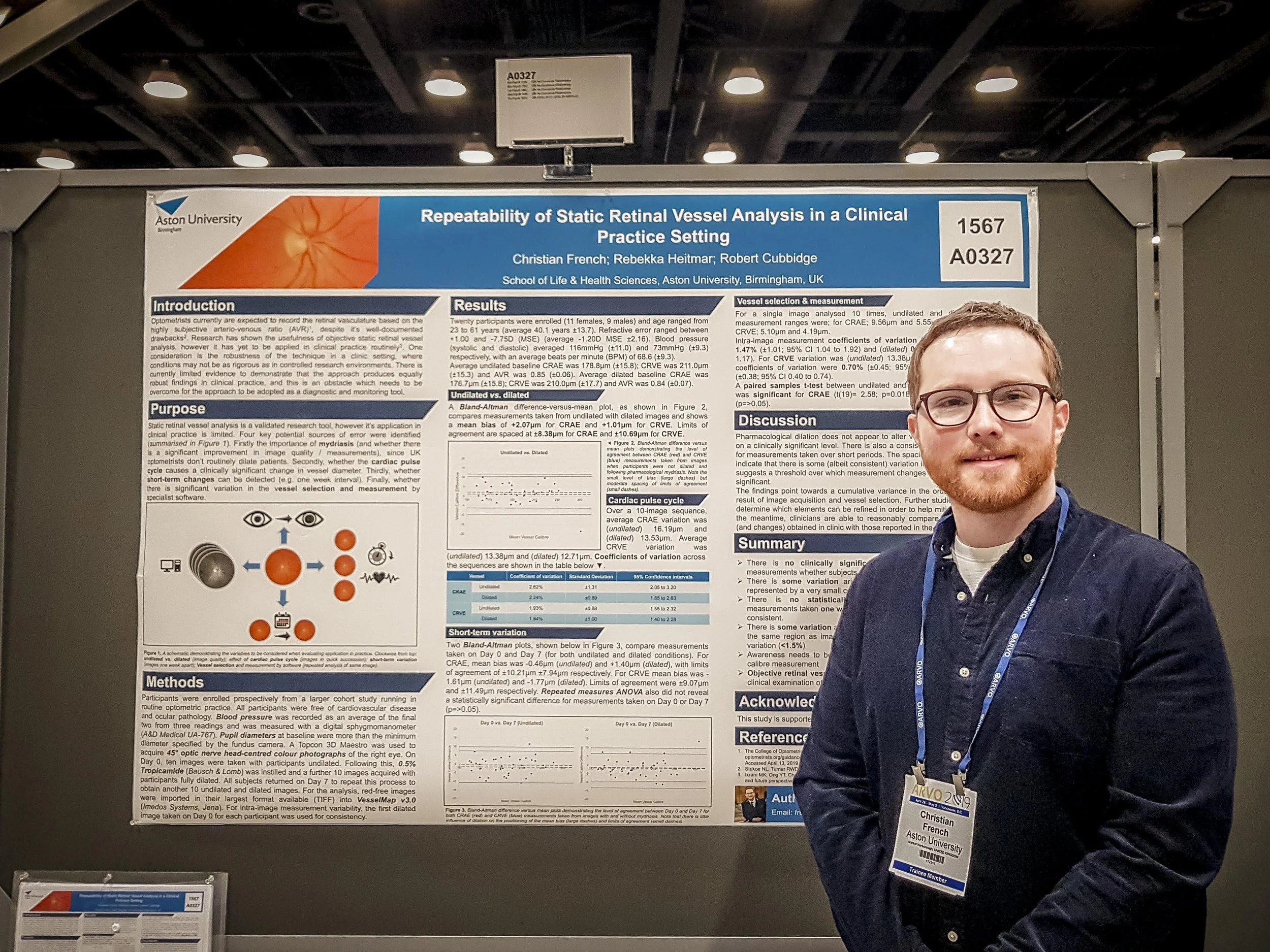
I conducted my PhD whilst still working in high street practice. My thesis, titled “The Use of Static Objective Retinal Vessel Analysis in Optometric Practice” focussed on the use of photographic analysis of retinal blood vessels taken through standard retinal cameras in clinic to help with the prediction of cardiovascular disease. The eye is the only place where we can directly image the circulation and it is crucial in helping to detect cardiovascular disease amongst patients. Fundamentally, patients visit their optometrist far more regularly than their GP and so they are in a much better position to monitor for those subtle changes which take place in the early stages of the diseases.
A passion for teaching has always been present in my work.
I have always enjoyed teaching optometry. From writing continuing educational materials, delivering lectures at conferences to supporting students to develop their skills as the next generation of clinicians, I find the experience extremely rewarding. After completing my PhD I worked for several years as a Senior Lecturer in Optometry at the University of Hertfordshire before finishing to start this practice.
My passion for teaching remained however and in 2024 I was appointed as the Foundation Professor in Optometry at the University of Leicester. In this role I have designed and developed the new Masters of Optometry degree programme at the University and founded the Leicester School of Optometry. This is a tremendous experience and it is the opportunity for me to build a team of like-minded educators who can enthuse and support the next generation of optometrists.