
NEURO-OPTOMETRY
What is neuro-optometry?
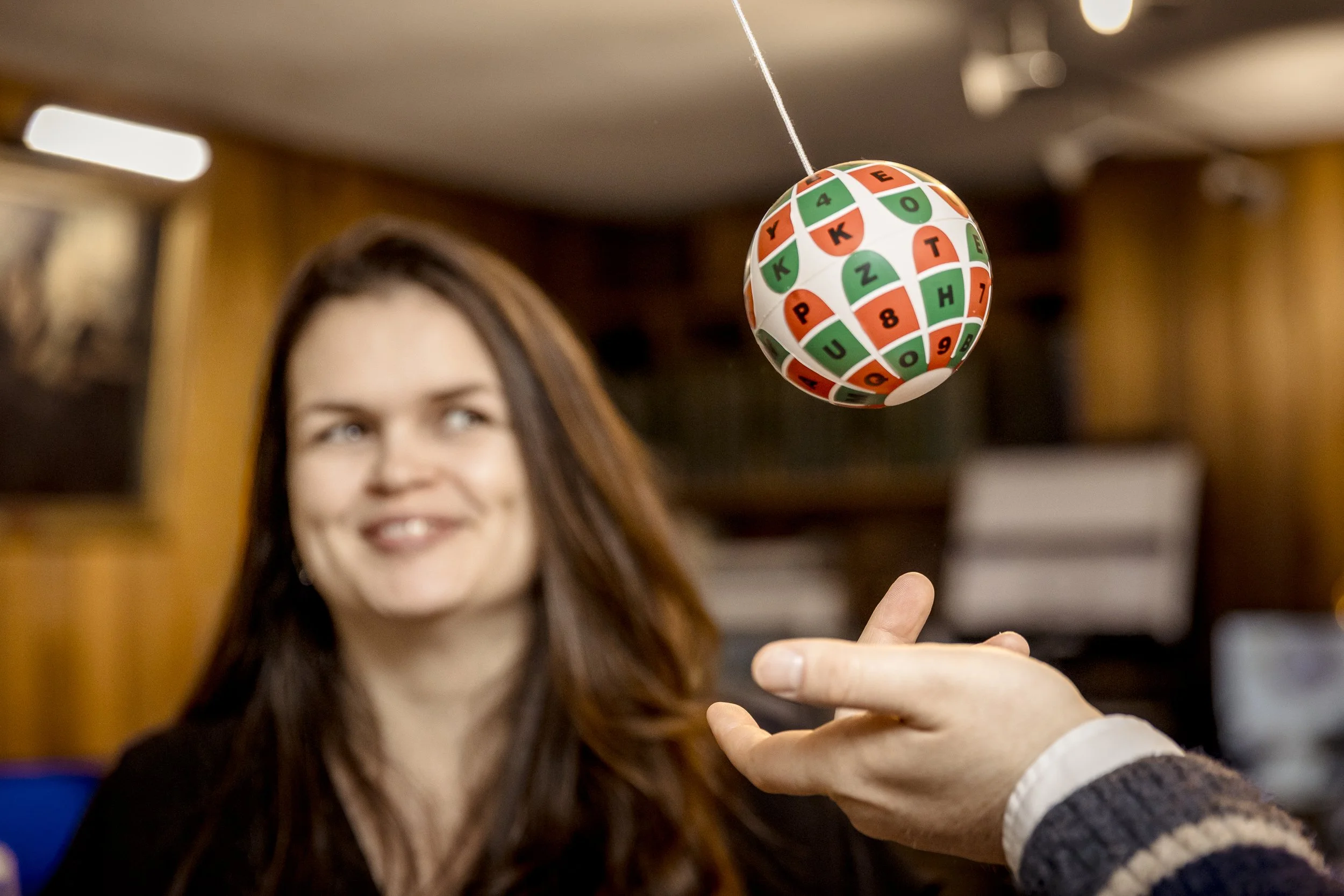
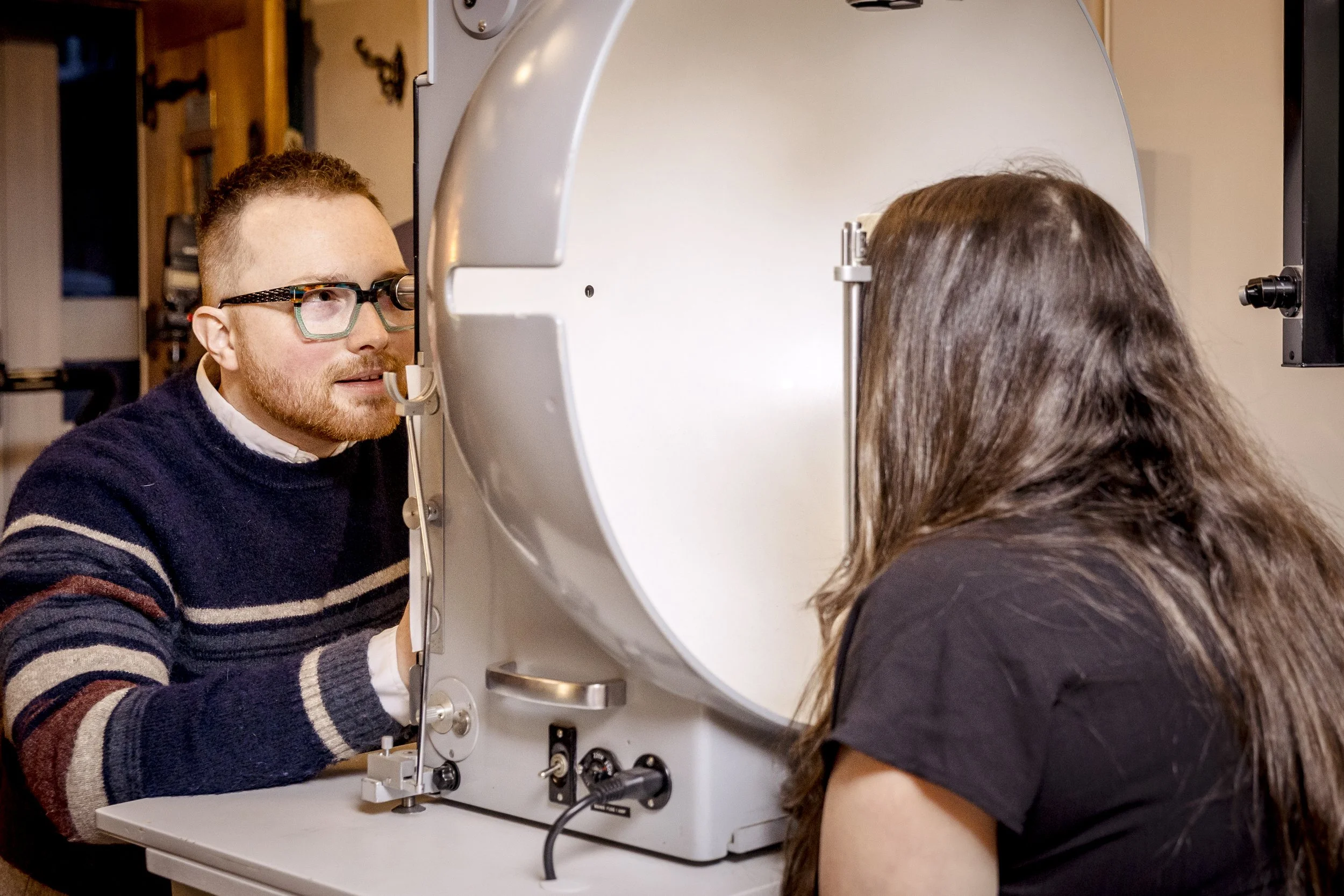
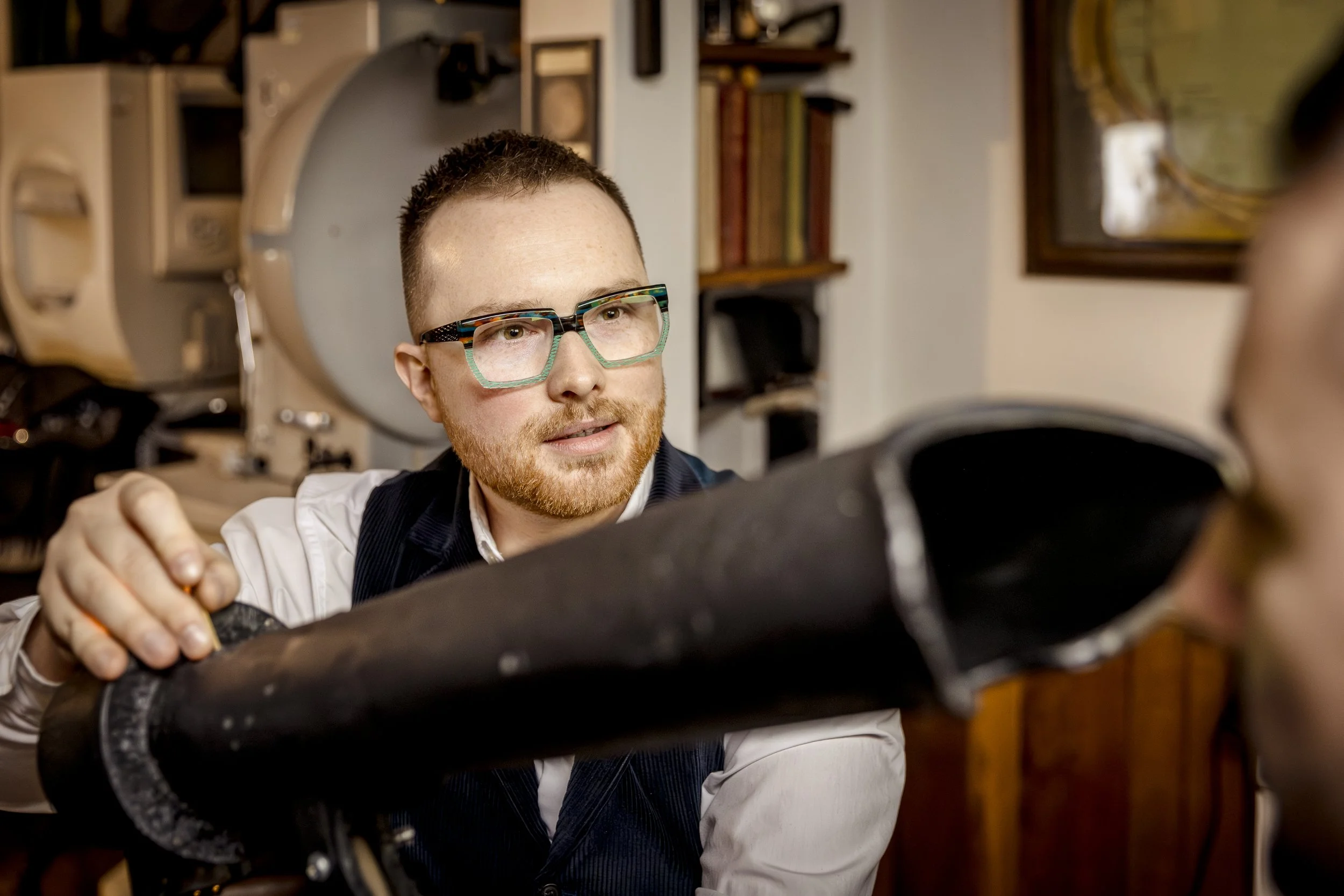
I specialise in neuro-optometry, where we consider the entire sense of vision (and it’s integration with other senses such as hearing and balance); not just reading the bottom line on the letter chart.
When we evaluate the sense of vision, we are considering how the brain processes visual information. When this system isn’t working correctly it can result in a wide range of symptoms, as well as often being very difficult to describe. “I can’t really explain, but it just doesn’t feel right” is one of the most common symptoms I work with and is often the key indicator that neuro-optometry is the answer.
What are the symptoms which may mean I need an assessment?
Symptoms can include things such as:
blurred or double vision
light sensitivity (photophobia)
headaches or eyestrain
balance problems
difficulty reading or looking at screens
issues with peripheral vision
problems with depth perception and judging distances
processing or integrating vision with other senses (sensory overload)
It can also include difficulties with certain activities or in particular environments, from discomfort as a passenger in a car to walking around a bright supermarket and feeling overwhelmed.
What can cause the symptoms?
These can be elicited by a range of causes, including brain injury and concussion, even mild cases. Traumatic brain injury (TBI), stroke, assault, road traffic accidents, blast injuries; all of these and more can result in sufficient brain injury to cause visual symptoms and it is often reported that over 75% of all brain injuries experience visual symptoms to some degree; often referred to as Post-Trauma Vision Syndrome (PTVS).
Equally, these symptoms can arise without such an incident, and I often work with patients experiencing binocular vision dysfunction (BVD), functional neurological disorder (FND), visual snow syndrome (VSS) and hallucinogen persisting perception disorder (HPPD), to name just a few.
What is Binocular Vision Dysfunction?
This is more of an umbrella-term which describes affected function between the two eyes. In essence the eyes are ‘seeing’ a clear image, but the brain is having difficulty combining the images together to form a single, comfortable percept. There is no single test for BVD, rather it is present if an anomaly is found during a consultation or symptoms are produced.
What is Visual Snow Syndrome?
Visual Snow Syndrome can be considered the visual equivalent of tinnitus. The exact cause of visual snow syndrome is not fully understood, but it is believed to involve abnormal processing of visual signals in the brain. Certain factors, such as migraines, head injuries, or drug use, may trigger or exacerbate symptoms in some individuals.
Visual Snow Syndrome is characterized by the perception of tiny, flickering dots or static-like patterns across the visual field. These visual disturbances can resemble "static" on a television screen and may be accompanied by other visual symptoms such as:
Light sensitivity
Reduced night vision
Excessive floaters or flashing lights
After-images
Visual Snow Syndrome is also associated with systemic symptoms, such as insomnia, depersonalisation, brain fog and confusion, tingling, sensory hypersensitivity and tinnitus.
How can they be treated?
Treatment and management of these is broadly split into two categories;
Optical: including lenses, prisms, tints and filters
Therapeutic: exercise-based vision therapy
It is crucial to work with the person in their entirety. This means working with colleagues who can provide additional support and expertise. I work very closely with a therapist who specialises in trauma, because just living with unresolved visual issues can have a profound effect on our wellbeing.
If the above sounds like it may be suitable for you or someone you know, please get in touch for a free 15-minute consultation to discuss your case in more detail.
VISION THERAPY

We are not born with perfect vision; it is a system which takes time to develop and integrate. Historically the window for development, called the ‘critical period’ has been set at approximately 8 years of age. This is when the system is most responsive to change, however it would be wrong to assume that beyond this period things are set in stone.
What is vision therapy?
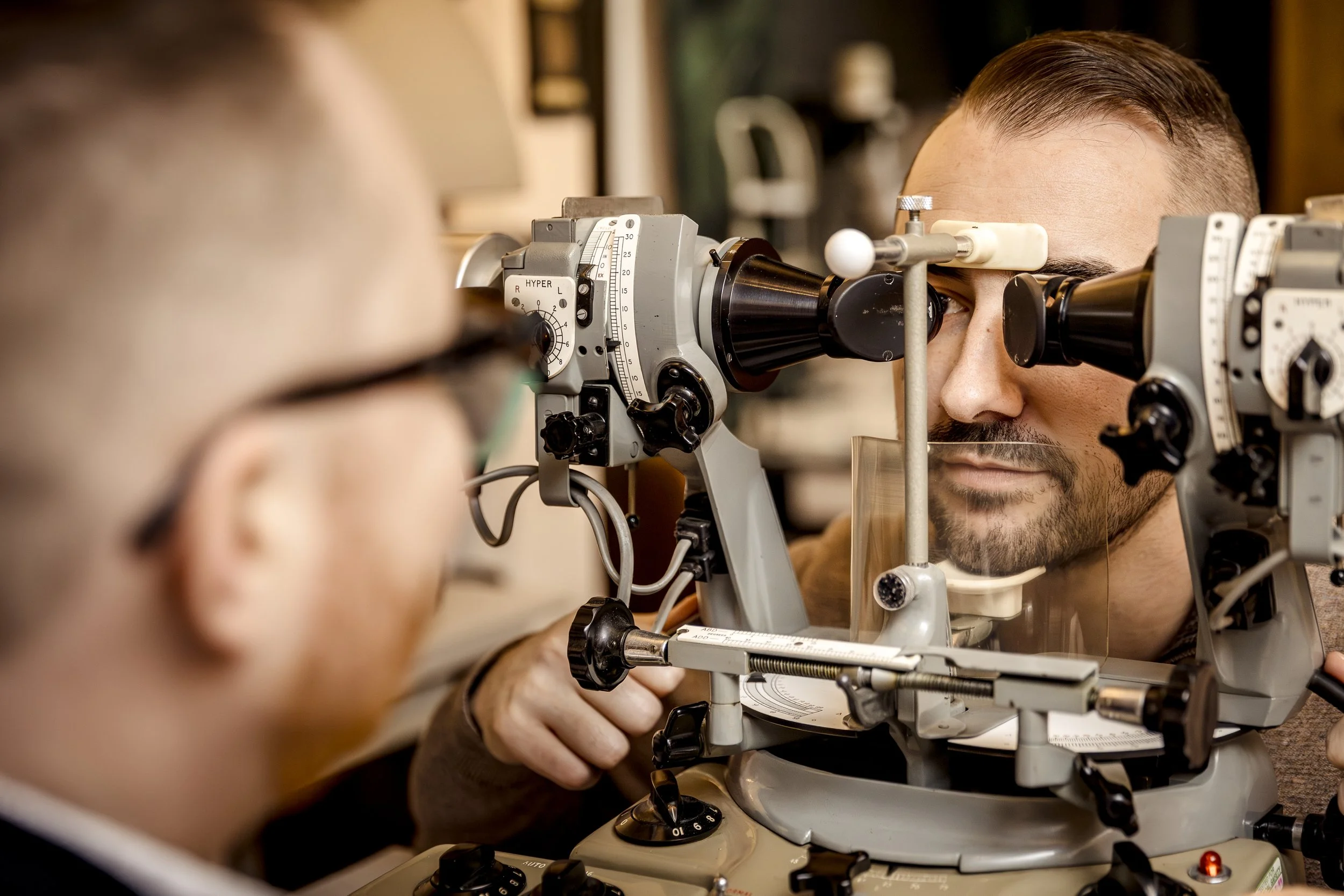
Vision therapy is a means of using specific, targeted exercises as a way to optimise visual performance. It is not simply ‘seeing better’, but maximising the efficiency of the visual system. What this looks like is entirely dependent upon the individual. For some, this may be improving visual performance in sport or work. For others, this may be strengthening the vision in a weaker (or ‘lazy’) eye to improve binocular function.
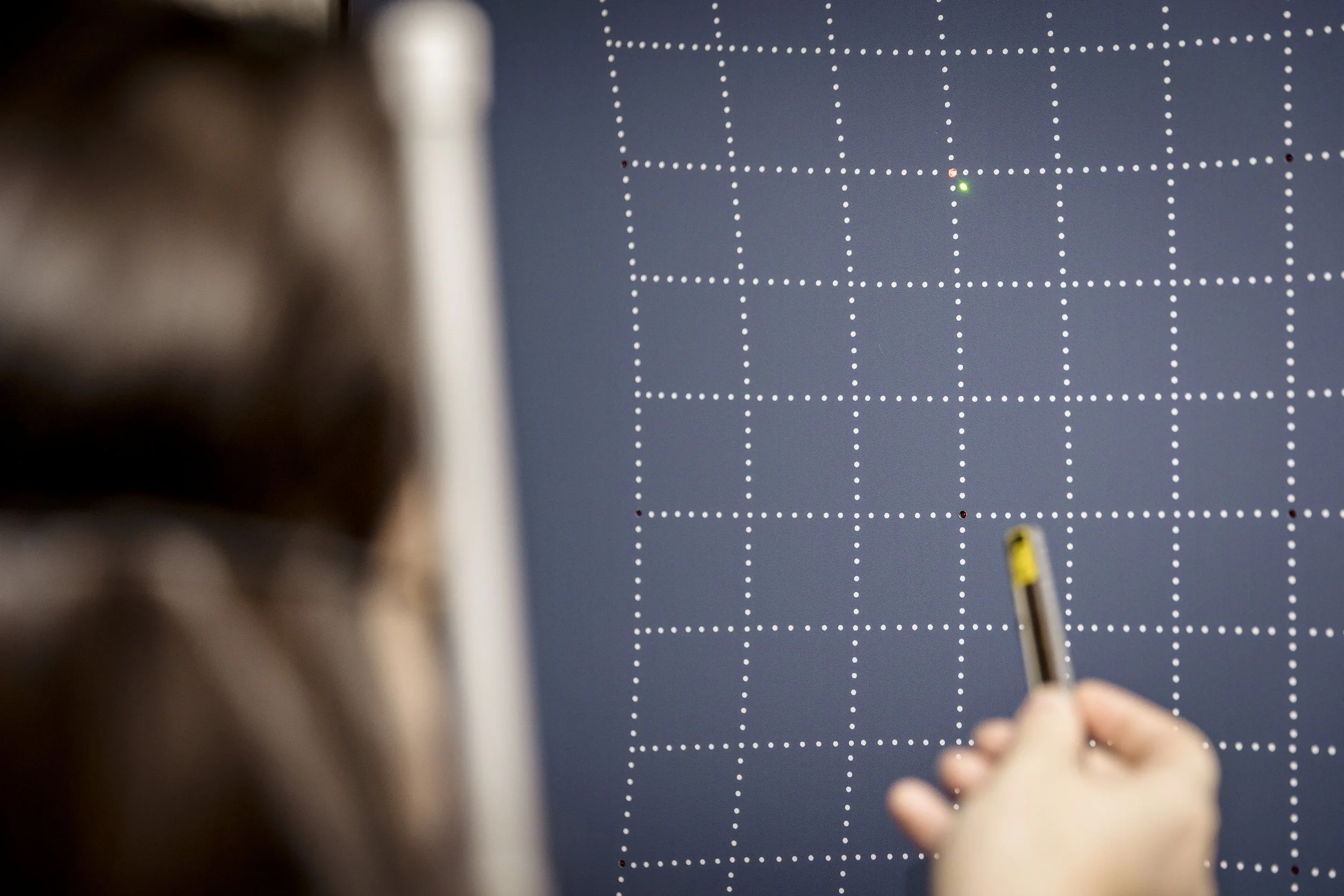
Typically, it will follow a course of prescribed ‘exercises’ which must be completed regularly to develop and strengthen particular aspects of vision. It is important that these are diverse and varied to prevent developing ‘splinter skills’ such as following a pen tip to your nose. Exercises must translate into ‘real world’ vision. The time-course for improvement is always difficult to say, but you should generally see improvements in the difficulty of the exercise prescribed within a week. If it is too quick, the results are not lasting. If it takes too long, you won’t have the enthusiasm to continue.
Having a squint and amblyopia (‘lazy eye’) myself, I know just how important it is to take things steadily when working with this aspect of vision. Equally, however, I am also aware of how determined people can be to achieve the best vision possible and how important this is to them.
How often do I need to come into the clinic?
This also varies. As a general rule, for visual rehabilitation, I would review in 6-8 weeks, and for active vision therapy this would be much sooner (e.g. 2 weeks). Generally speaking though, the gains which you make will typically plateau, so if you need to suspend your therapy for other commitments, there is less risk of a regression and losing all of the progress that you have made.
It is sometimes possible to review and update exercise regimes virtually. I have had patients from as far afield as Malta, the United States and Uganda, so I can’t expect everyone to attend every few weeks! Additionally, travel can often be a major cause of symptoms, so if it is at all possible, I will try to facilitate remote consultations to avoid repeat lengthy journeys.
Disclaimer: Neuro-optometry, vision therapy and visual rehabilitation focus on the visual symptoms which present and cause issues. It does not aim or purport to ‘diagnose’ brain conditions, especially in the absence of neuro-imaging, nor does it aim to ‘cure’ them. This also applies to diagnoses of dyslexia, dysgraphia, chronic fatigue, neuro-divergence, etc. Whilst many of these can be associated with visual symptoms, a neuro-optometric consultation will focus around these symptoms. Optometrists do not diagnose such conditions and an onward referral to a relevant clinician or practitioner can be facilitated if such a diagnosis is required. By booking an appointment you will be accepting that outcomes cannot be guaranteed and that referral and communication with other specialisms may be necessary to provide all-round support.