
EYE EXAMINATIONS & CONTACT LENSES
Giving your eyecare the time and attention that it needs.
COMPREHENSIVE EYE EXAMINATIONS
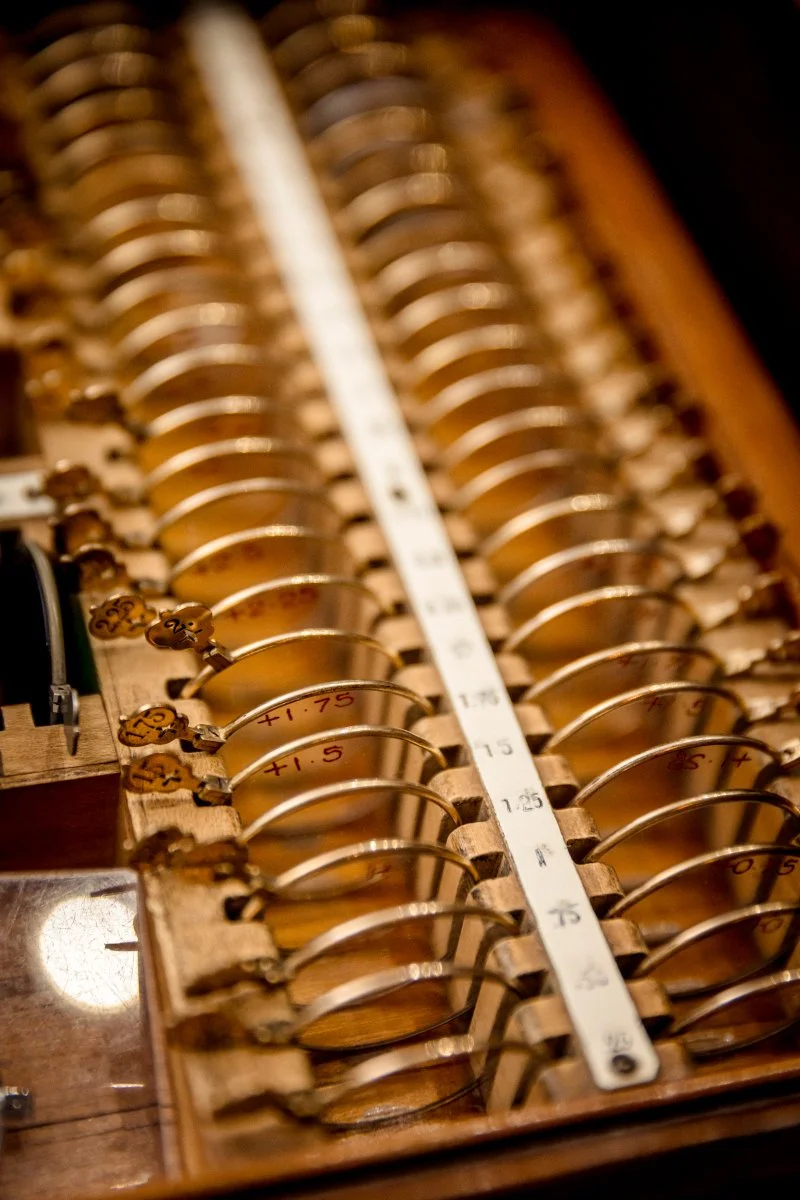
Each eye examination is as unique as the patient; tests will be performed to suit your individual needs, symptoms or requirements.
Vision testing
A digital letter chart is used to offer the greatest flexibility in testing. A traditional trial frame with high quality glass lenses are used to determine your optimum prescription as these best replicate a finished pair of spectacles.
Eye examination
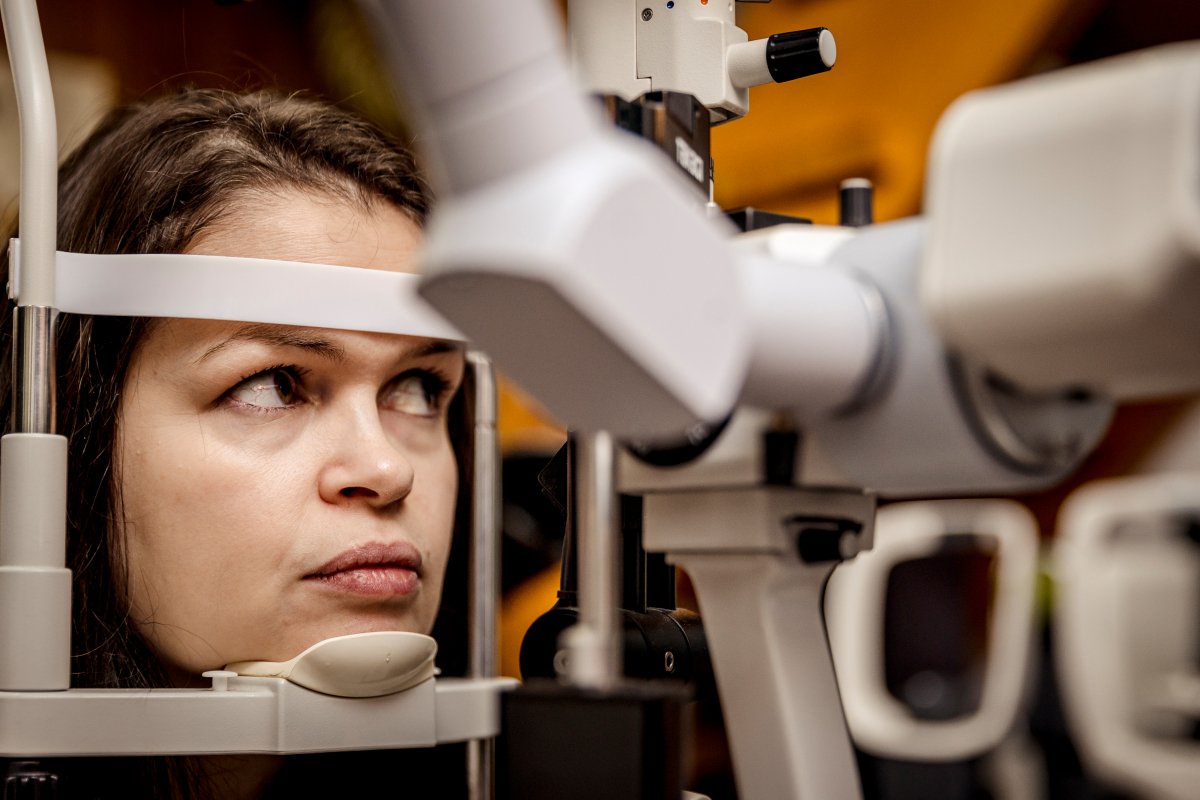
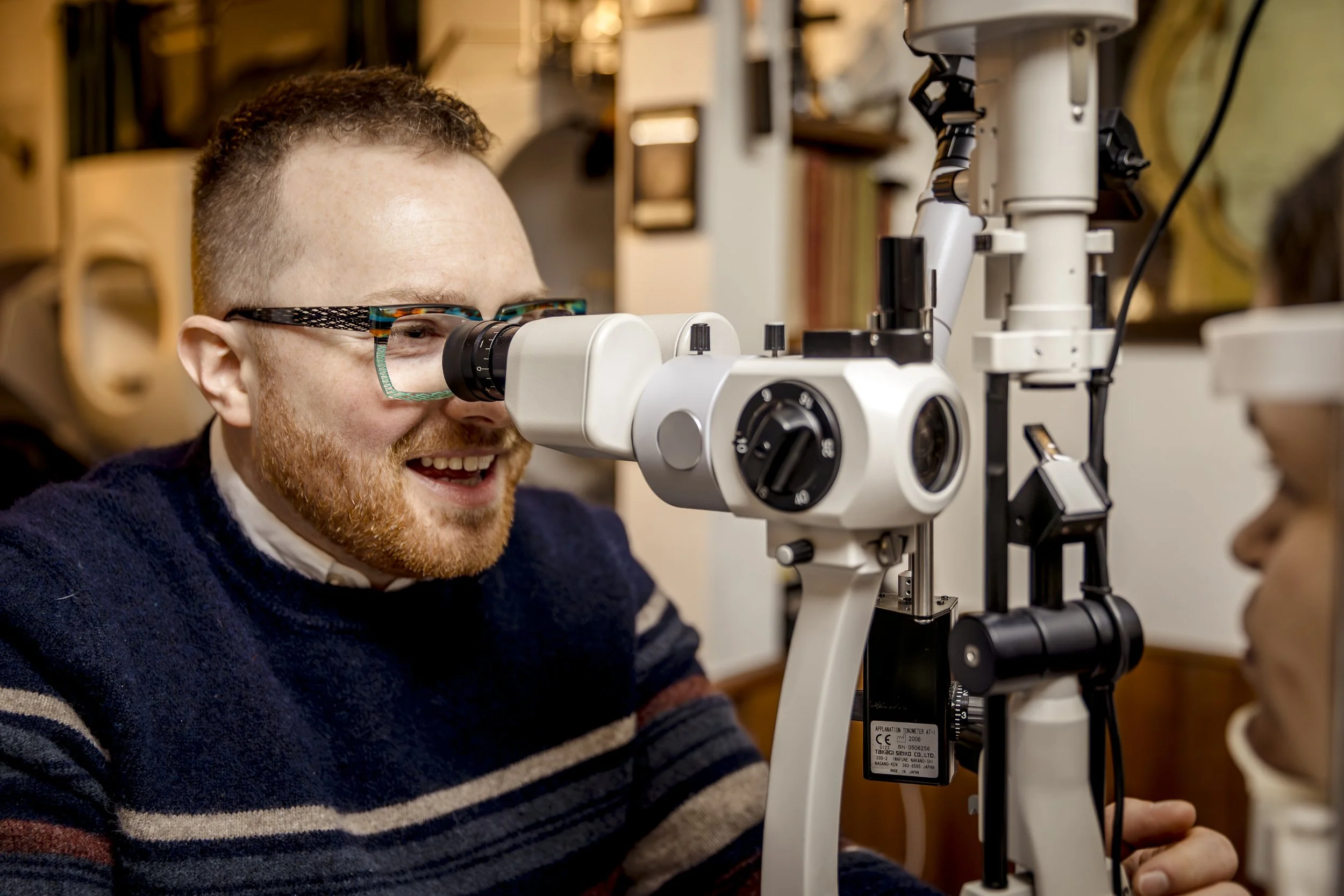
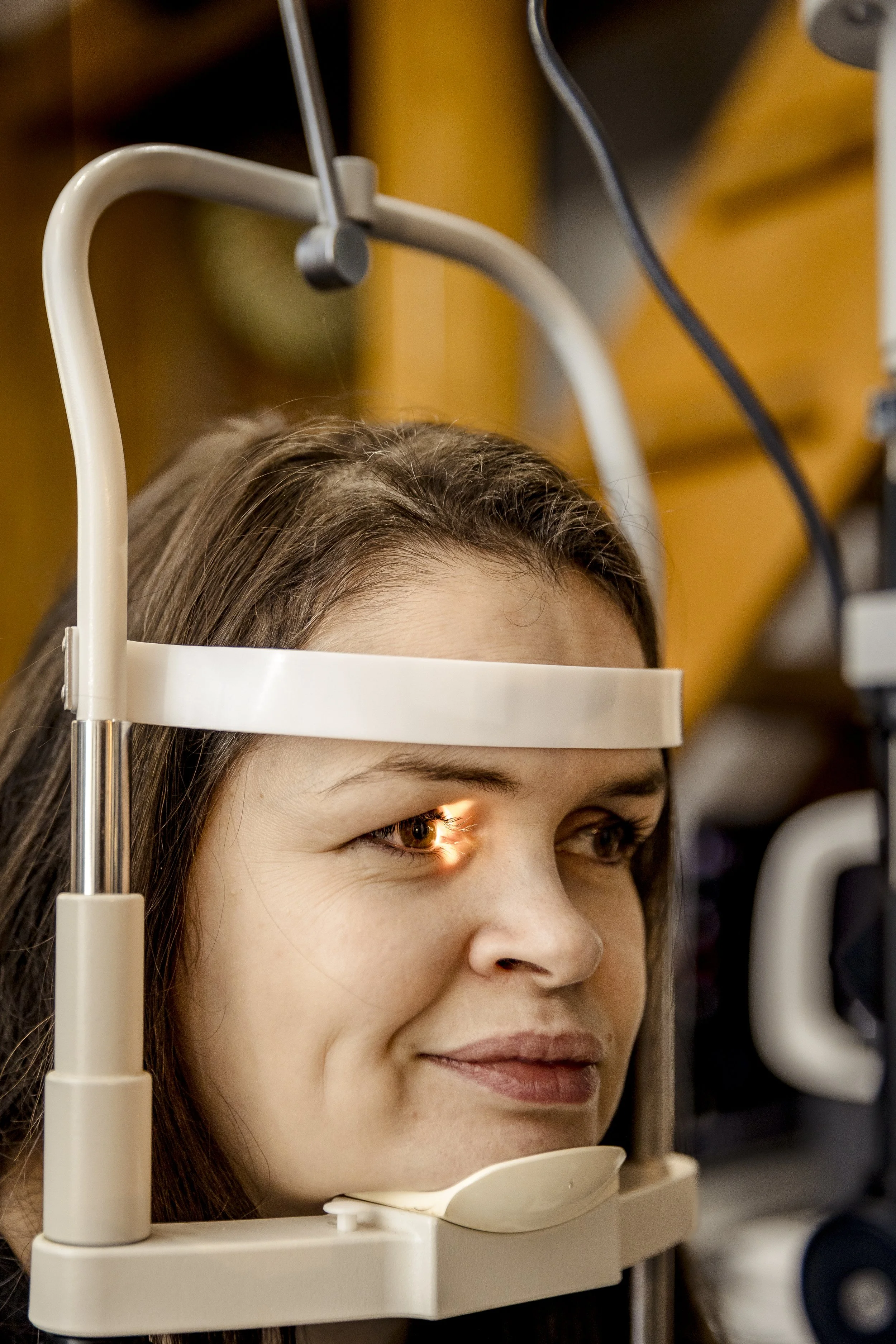
A high-powered slit lamp biomicroscope is used to examine the health of both the external and internal structures of your eyes. This slit lamp has been fitted with an additional eyepiece which allows for a high-resolution camera to acquire photographs or film the health of your eyes if need be.
General health
The practice is equipped with a medical-grade blood pressure monitor and pulse oximeter to give a much more robust assessment of your cardiovascular health. The British Heart Foundation estimates that 5 million people in the UK have undiagnosed high blood pressure and in the vast majority of cases, it carries no symptoms. Establishing what is a normal blood pressure reading for you, in combination with a detailed assessment of your retinal circulation is a really good way of detecting any early signs.
Eye pressure
A hospital-grade instrument is used for measuring the pressure of your eyes. This is quick and accurate and importantly does not involve blowing air into your eyes which is neither as accurate or comfortable.
Imaging
Both a specialist retinal imaging camera and an infra-red scanning laser ophthalmoscope are used to acquire detailed, high-resolution images of the back of your eyes. In combination, these images tell a lot about the health of the layers within your retina, and also serve as a detailed record of your eye health to be compared against at later visit for signs of subtle changes.
Peripheral vision
A hospital-grade instrument is used to measure the sensitivity of your peripheral vision. The Humphrey Visual Field Analyzer has become the ‘gold standard’ in measuring peripheral vision and by using this as part of your routine examination, it means that any subtle changes can be detected and actioned as soon as possible, making use of its specialist internal algorithms such as those used in the early detection of glaucoma.
In addition, the instrument is capable of performing the Esterman test; the specific driving assessment required by the DVLA.
CHILDRENS’ EXAMINATIONS
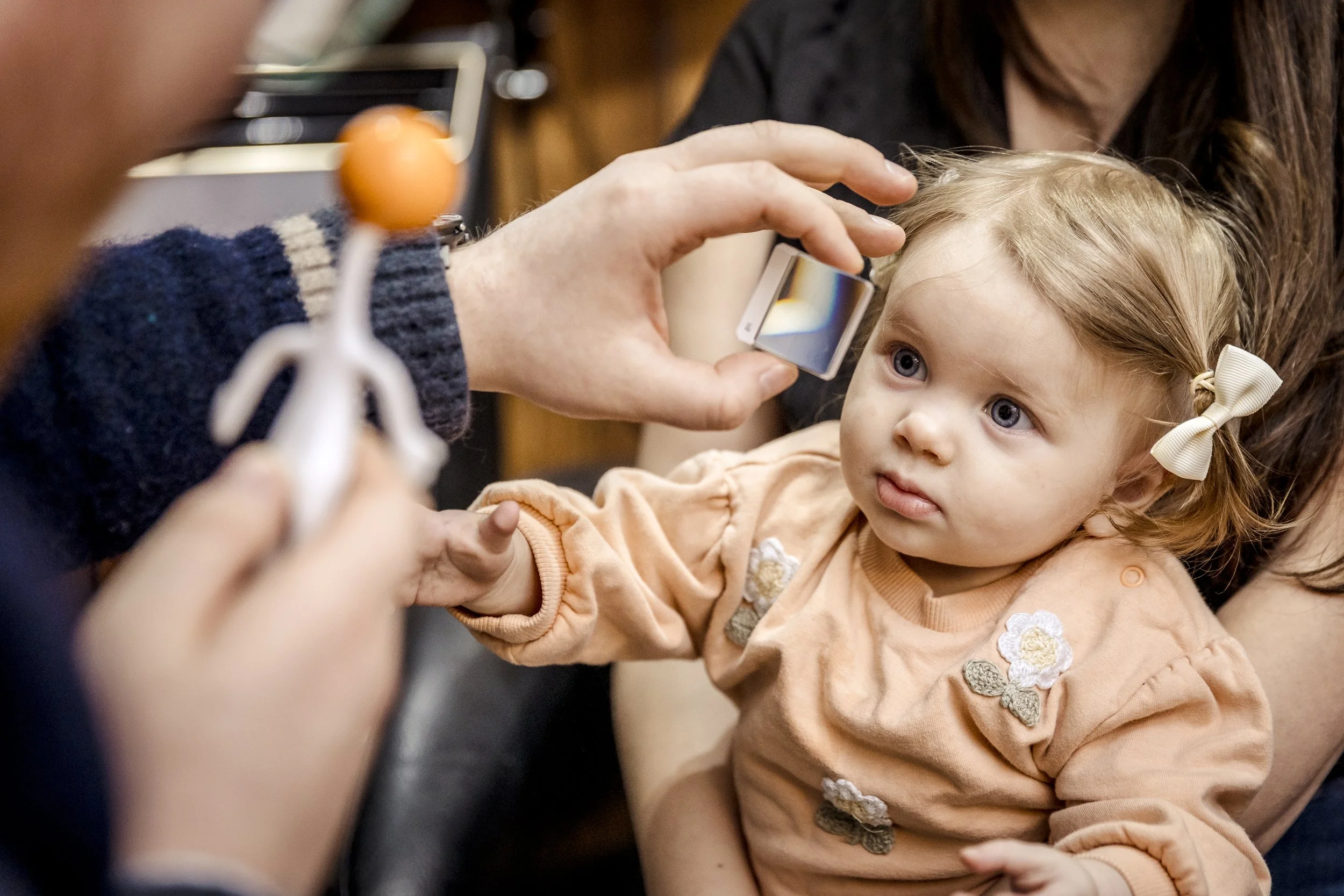
Babies and children of any age can have an eye examination, and indeed are a very important developmental check-up. Specialist non-verbal tests are used in the practice to determine vision and visual function in very young children in-line with those used in the hospital. Adapted tests for older children are also used to get the most insight from each patient.
A range of specialist equipment is used throughout paediatric appointments, including specialist ophthalmoscopes for looking at the health of the eyes without having to get too close, which can be very daunting and intimidating for a child, especially at their first check.
Much of the equipment and my approaches are based on both my experience from the hospital paediatric eye department and my additional training in vision therapy, meaning that I can provide comfortable and reassuring care for children of all ages and those with neuro-diversity.
CONTACT LENSES
Wearing contact lenses is a significant part of people’s daily routine and it is important to make sure that you are wearing the most appropriate lens to suit your needs. As well as welcoming existing wearers, I am happy to undertake a consultation for fitting new lenses, either to an existing or first-time wearer.
Usage assessment & measurements
At your initial appointment we will have a discussion about what you would like to wear your lenses for and address any existing concerns (such as wearing time) of any current or previous lenses. In addition to explaining the various options and which I feel is most suitable, I will take the necessary measurements for ordering sample lenses for you to try at your first fitting appointment.
First fitting & vision assessment
Once the sample lenses have arrived, you will attend for your first fitting. If you have never worn lenses before, I can fit them for you. Once they have settled, I will check the fitting and vision as well as your assessment of their comfort and clarity. If this is your first time wearing lenses, you can then wear them for a few hours to see how they perform in daily life, before returning to the practice for a session on how to handle and care for the lenses, as well as how to insert and remove them. Once we are both happy that you can do this, you can then take the lenses home to try them for a week or so before returning for a review appointment.
Review appointment
At your review appointment you will arrive wearing your lenses and I will recheck your vision and their fitting, as well as address any concerns or observations you have made during the course of your trial period. If necessary, we may need to order additional sample lenses to try to ensure that these changes are acceptable.
Once we are both happy with the fitting of the lens and level of vision that you are achieving, I will then sign-off on the prescription and you will be free to purchase contact lenses as normal, attending routine check-ups as advised.
Lens types
Whilst soft contact lenses (either daily disposable or monthly wear) are the most common in the UK, I also regularly fit rigid gas permeable (RGP, or ‘hard’) lenses. Whilst these may be considered old-fashioned, they are actually a fantastic alternative to anyone who wears lenses full-time. RGP lenses offer clearer vision, are healthier for your eyes, are safer for your eyes, less environmentally damaging (as they can last upwards of 12-18 months) and are significantly cheaper to the patient.
The lenses are tailor made for the patient and a new pair is machined every time we change the prescription. Hard lenses are also good for higher prescriptions - especially those who have been told they can't wear contact lenses with their prescription (generally those with astigmatism) and those with corneal issues such as a scar, a corneal graft / transplant or conditions such as keratoconus where conventional lenses won't fit.
DRY EYE CONSULTATIONS
The tear film of our eyes is important to maintain the health and clarity of the front surface of our eyes. It is a specific cocktail of nutrients and compounds designed by your body to serve this purpose, but sometimes the ‘mixture’ of this substance is affected and causes dry eye.
Our classic understanding of dry eye is as the name suggests, a dry, scratchy eye which needs fluid replacement with eye drops. This is only one sort of dry eye and perhaps a more common, and certainly more over-looked, form actually results in watery or streaming eyes. Since this is the furthest thing from a ‘dry’ eye, it is often ignored or not managed correctly.
A watery ‘dry’ eye is caused by insufficient oils being present in the tear film, meaning that the tears are not robust enough and so overflow from the eye. This is often experienced when going outside on a cold day and finding that your eyes are always running. This form of dry eye can be managed without eye drops, but requires an assessment to ensure that this is the cause. A combination of moist-heat eye masks and specialised eyelid cleaning solutions can bring the condition under control and alleviate these symptoms.
Tear film problems can be assessed during a routine eye examination, and then further specialised review appointments scheduled as necessary.